Bringing Back the UK’s Nearly Extinct Fen Orchid
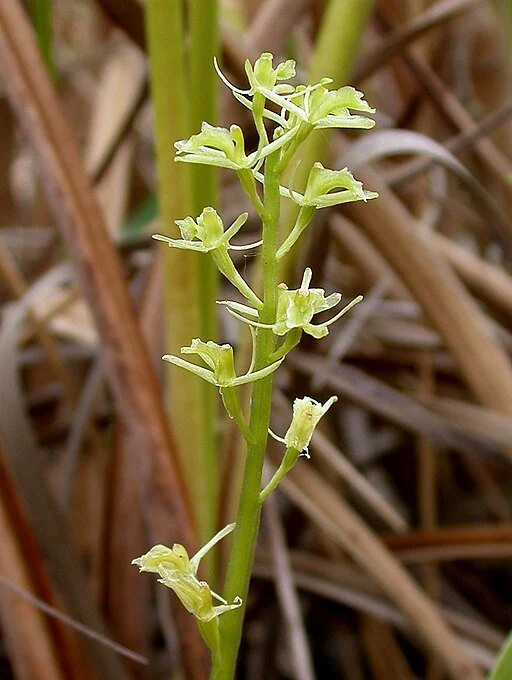
Fen Orchid (photo credit: Len Worthington, CC BY-SA 2.0, via Wikimedia Commons)
Given the state of the world and the frigid temperatures outside, it seems like a particularly good moment for a feel-good story about the successful conservation and repopulation of one of the UK’s most endangered plants, the fen orchid (liparis loeselii). Sometimes deforestation, climate change, and overharvesting cause amazing orchid species to go extinct, but it’s possible for people to change the story and demonstrate that sometimes, perhaps we actually do deserve plants as glorious as orchids.
Like many of their family members, fen orchids are weirdos. Instead of growing on trees like most orchids, or growing in soil like jewel and slipper orchids, they grow on fens, wetlands that feature mossy clumps and patches of sand, as well as calcium-rich peat (Boston-based readers will recognize the word, as Fenway Park is in an area known as The Fens). One type of fen orchid in the UK grows only on the dunes at Kenfig National Nature Reserve in South Wales.
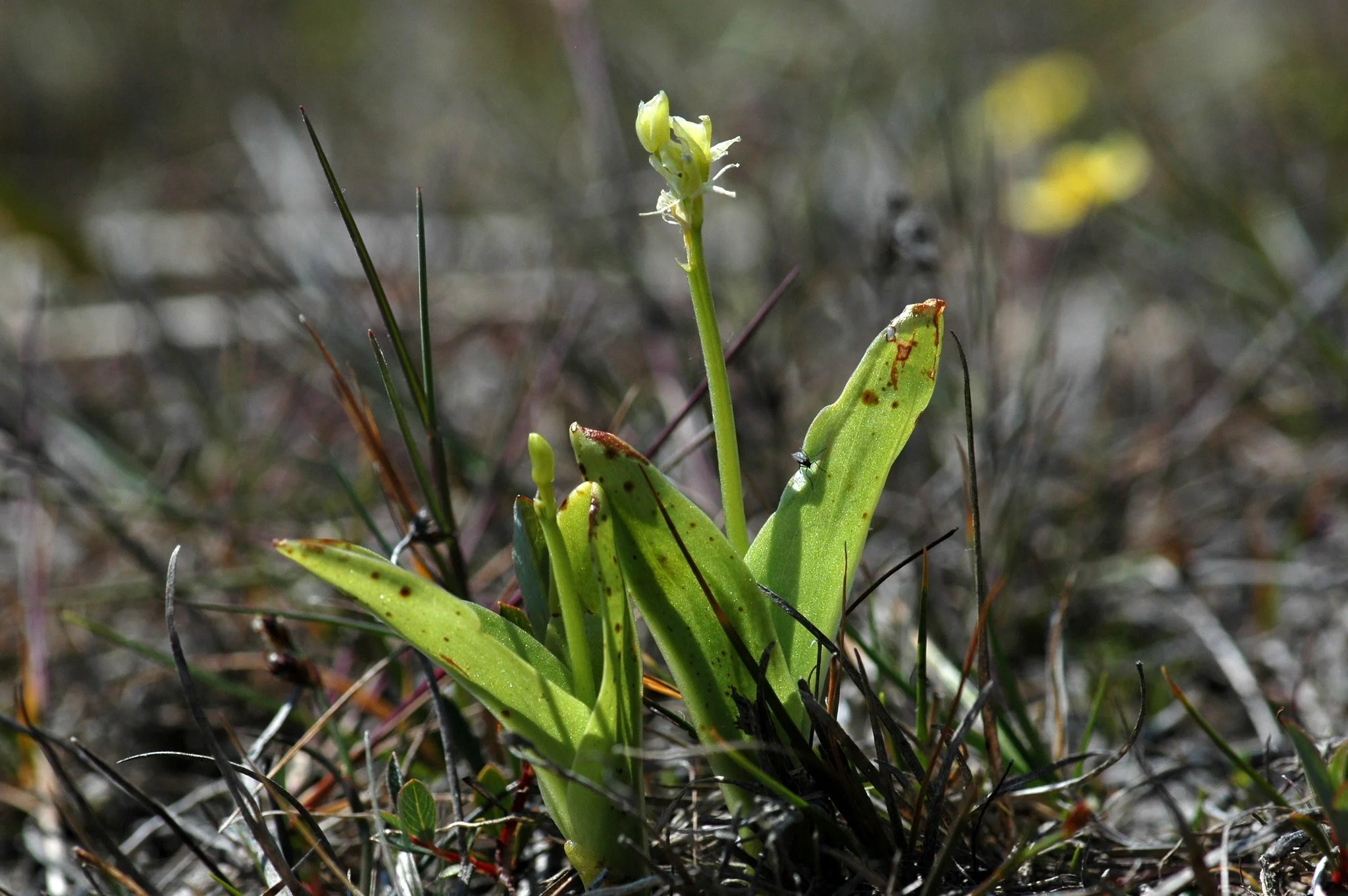
Two fen orchids (photo credit: Bas Kers CC BY-NC-SA 2.0 via Flickr)
Fens are strange places for orchids to grow. They’re usually not at high elevations, whereas many orchids grow in cloud forests and other humid areas around hills or mountains. Many orchids also grow in the shade, whether on the forest floor where they receive only a few dappled rays of sun, or on a tree where they’re shaded by leaves. But fen orchids grow out in the open and technically qualify as wildflowers.
If you happened to see one of these plants in the wild, you almost certainly wouldn’t recognize it as an orchid. It’s small and short, roughly three inches tall. Each plant has one stem and grows pale yellow flowers in June and July. Its leaves wrap around its stem, rather than growing up and out like on most other orchids. The orchids that grow in the Kenfig dunes look a little bit different from the others—they have fewer flowers and rounder leaves.
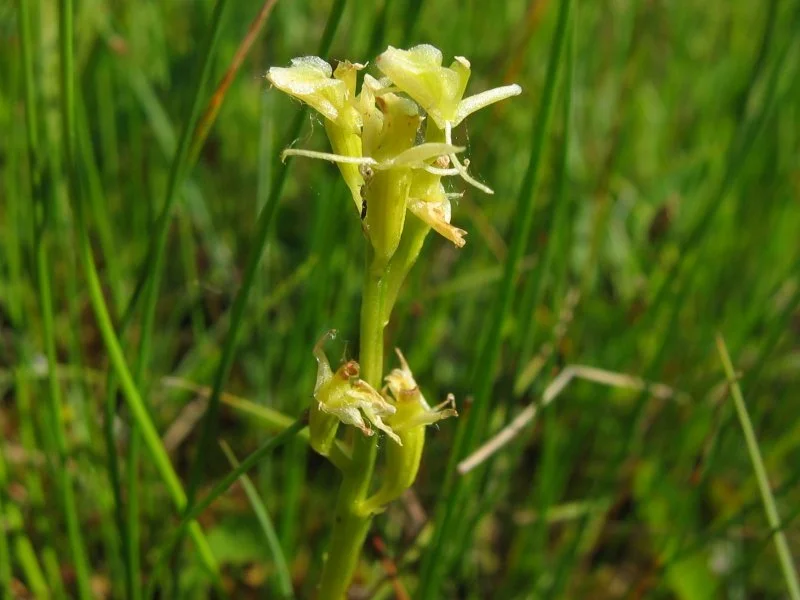
Fen orchid (photo credit: Kristian Peters, CC-BY-SA 3.0, via Wikimedia Commons)
Fen orchids nearly went extinct due to habitat loss; developers are draining some of the UK’s fens for other projects. Orchid collectors also overharvested this plant, which led to a massive population decline. As of 2010, botanists estimated that only 1,000 orchid fens remained in existence in just three different spots in the UK.
Botanists at Cambridge University Botanic Garden and Plantlife successfully reintroduced the species, which is now regrowing in the wild. The orchid has been reclassified from “endangered” to “near threatened” because of their efforts, though conservation strategies remain in place.
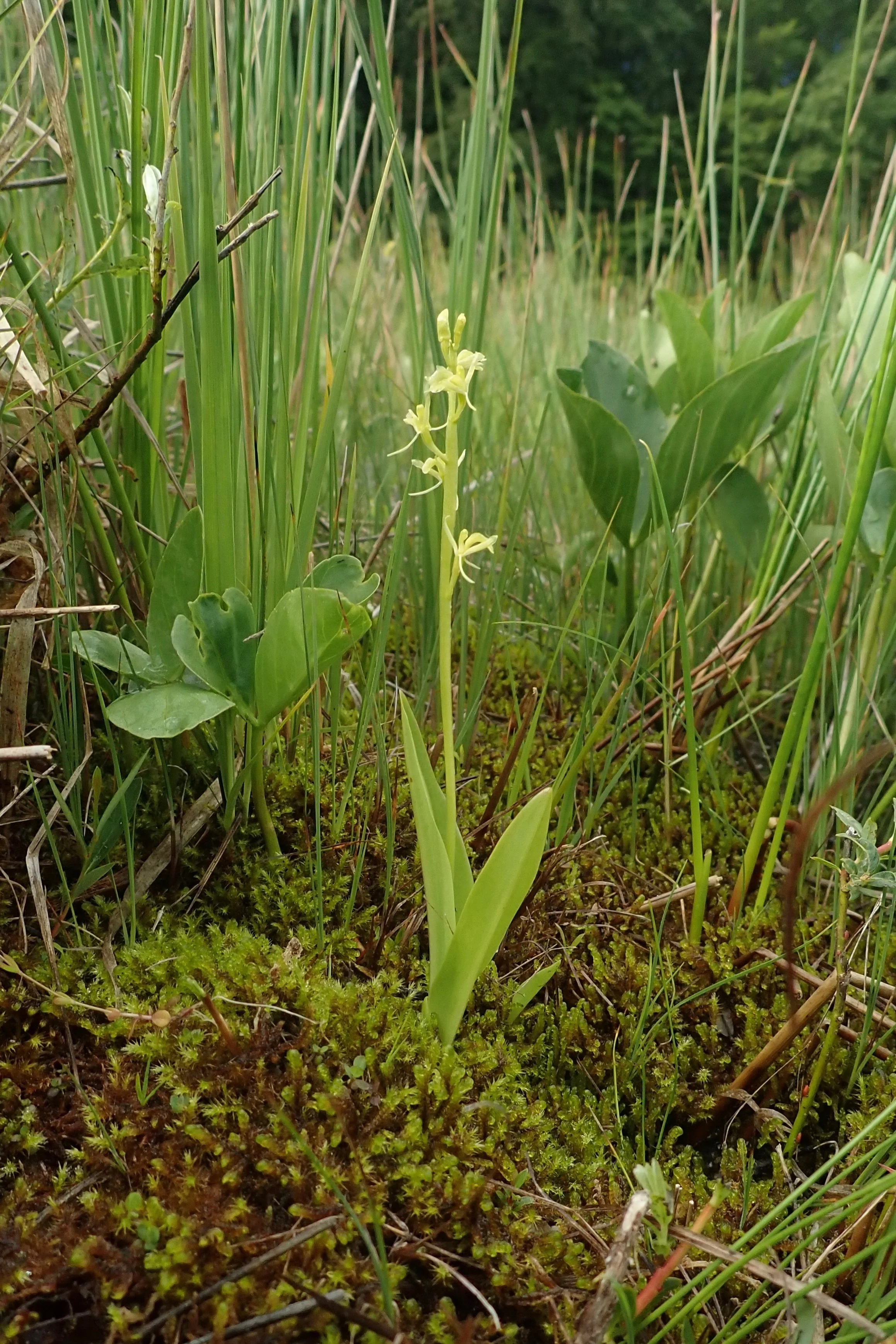
Fen Orchid (photo credit: François Clot, CC-BY-SA 4.0, via InfoFlora
This story is a good one on a literal and practical level, as well as on a symbolic one. Endeavors like saving an orchid species from extinction are daunting and may feel impossible, but they aren’t. Dedication, time, and appreciation for nature and the gifts it brings galvanize people into doing all kinds of amazing things, both for the orchids and for humanity.